Reviewing the Magic Hat Embroidery Design
As an embroidery designer who has spent years digitizing artwork for small businesses, I approach every new machine embroidery design with a critical eye. It is not just about whether a motif looks cute on a screen; it is about how that design performs when stitched onto real fabric, worn by staff, or sold as part of a branded product line. Recently, I had the opportunity to evaluate the Magic Hat Embroidery Design, a whimsical piece rooted in the Circus category. My goal was to determine if this file holds up under the rigorous demands of commercial embroidery and small business merchandising.
First Impressions: Visual Personality and Brand Fit
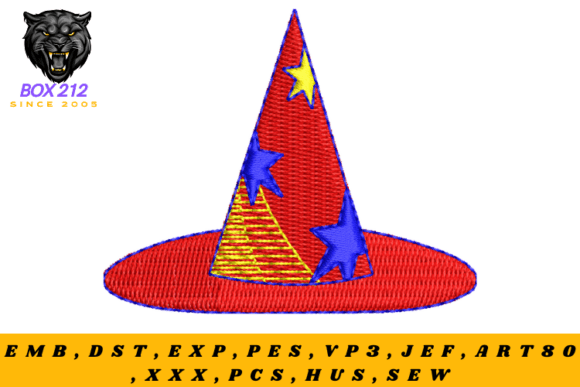
The first thing that strikes you about the Magic Hat Embroidery Design is its playful yet classic aesthetic. The description promises a touch of enchantment, featuring a classic magician’s hat surrounded by playful sparkles and mystical details. Visually, this translates to a design that feels friendly, decorative, and slightly nostalgic. For brands operating in the creative sector—such as boutique bakeries, children’s bookstores, or fantasy-themed cafes—this visual personality is a strong asset. It does not scream corporate rigidity; instead, it invites curiosity and warmth.
However, from a professional standpoint, "whimsical" can sometimes mean "cluttered." The inclusion of sparkles and mystical details requires careful digitizing to ensure they do not become lost in the stitch work. In my initial review, the balance between the solid shape of the hat and the finer details of the sparkles seemed promising, but it immediately raised questions about scalability and stitch density that any serious embroiderer must address before production.
Real-World Application for Small Business Merch
For small business owners, Etsy sellers, and handmade brands, versatility is key. A single digital embroidery file needs to work across multiple products to maximize return on investment. Here is how I see the Magic Hat Embroidery Design performing in various commercial contexts:
- Embroidered Patches: This is perhaps the strongest use case. A patch allows for controlled backing and stabilizer use, ensuring the intricate sparkles hold their shape. These can be sold as standalone accessories or used to brand tote bags and hats without committing to direct embroidery on every item.
- Apron Embroidery: For bakeries, florists, or craft studios, staff aprons are walking billboards. Placing this design on the chest pocket area adds a layer of charm to uniforms, reinforcing a brand identity that values creativity and magic.
- Cap Embroidery: A small version of the hat could work on the front panel of a baseball cap. However, due to the curved surface, the design must be simplified to avoid distortion. The brim might be too narrow for the full motif, so scaling is crucial.
- Tote Bag Design: Canvas tote bags are sturdy enough to handle moderate stitch counts. This design could serve as a central focal point for a branded shopping bag, enhancing the unboxing experience for customers.
When used in these ways, the design moves beyond mere decoration. It becomes a tool for customer engagement. A well-executed embroidered logo on a high-quality apron or tote signals professionalism and attention to detail, which builds trust with buyers.
Critical Considerations for Production
While the aesthetic appeal is high, there are technical hurdles to consider. As a designer, I always advise caution when dealing with designs that feature fine details like "sparkles" or "mystical lines." Here are the specific areas where the Magic Hat Embroidery Design requires careful handling:
- Stitch Density and Detail Loss: If the sparkles are too small or the stitch density is too low, these elements may pull out or look like random noise rather than intentional design features. Conversely, if the density is too high, the fabric may pucker, especially on lighter materials.
- Fabric Texture: Textured fabrics like terry cloth or heavy canvas can swallow fine details. I recommend testing this design on smooth cotton or twill first to ensure clarity. If using it on textured fabric, consider increasing the outline thickness.
- Dark Uniforms: Thread color contrast is vital. On dark navy or black staff uniforms, standard thread colors may not pop. You may need to use metallic threads for the sparkles to achieve that "magical" effect, but metallic threads are more prone to breaking and require slower machine speeds.
- Washability: Items like aprons and work shirts undergo frequent washing. Ensure that the design is properly backed with cut-away stabilizer to prevent shifting or distortion over time. Satin stitches that are too long may snag in industrial washers.
Enhancing Brand Identity Through Embroidery
Consistency in branding is what separates amateur crafts from professional enterprises. Using a cohesive set of design assets, including a signature motif like the Magic Hat Embroidery Design, helps create visual consistency. When a customer sees the same magical hat on your website, your packaging, and your staff’s aprons, it reinforces brand recognition.
This design supports a brand narrative that is approachable and imaginative. For a handmade product seller, adding this embroidered element to a label or tag elevates the perceived value of the item. It transforms a simple garment into a custom apparel piece that feels exclusive and thoughtfully crafted. This emotional connection can significantly boost buyer engagement and loyalty.
Practical Designer Notes for Implementation
Before you purchase this embroidery file for your next batch of small business merch, follow these practical steps to ensure success:
- Test in Black and White: Before selecting vibrant thread colors, stitch the design out in black thread on white fabric. This reveals the structural integrity of the digitizing without the distraction of color. If the shape is unclear in monochrome, it will not improve with color.
- Check Hoop Size Compatibility: Confirm that the design fits within your available hoop size. While the description does not specify exact dimensions, ensure you have the appropriate file size for your machine. Always check the provided specifications for hoop size requirements.
- Create a Printable Mockup: Use software to place the design on a photo of your actual product. This helps visualize scale and placement before committing thread and fabric.
- Verify Commercial Licensing: Never assume a file is free for commercial use. Check the license terms included with the download. Most reputable designers allow commercial use for physical goods but prohibit sharing or reselling the digital file itself.
- Select the Right Stabilizer: For caps, use a stiff backer. For towels, use a cut-away. For woven shirts, a tear-away might suffice if the design is light. The right stabilizer is half the battle in achieving a professional finish.
In conclusion, the Magic Hat Embroidery Design offers a charming option for businesses looking to inject personality into their branded merchandise. It fits well within the Circus and fantasy niches but requires thoughtful execution regarding stitch density and fabric choice. By treating this design as a strategic brand asset rather than just a decorative element, you can leverage it to create memorable, high-quality products that resonate with your customers. Always prioritize testing and proper stabilization to ensure that the magic holds up in the real world.