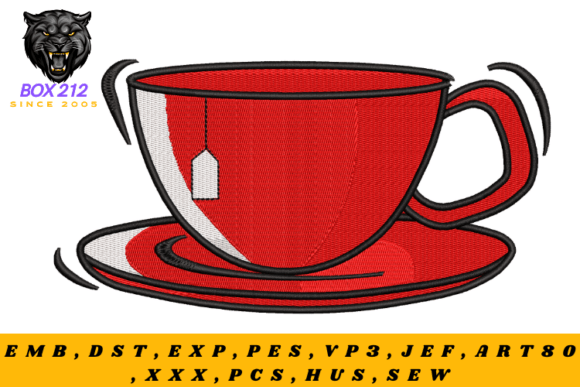
Review: Teacup Digital Embroidery Design for Craft Fairs
As an embroidery designer who has spent countless weekends standing behind booth tables, I have learned that not every pretty design translates into a best-seller. When I first loaded the Teacup Digital Embroidery Design onto my machine, I was looking for more than just aesthetic appeal. I was evaluating its potential as a high-converting craft fair product. In the competitive world of handmade markets, your designs need to stop traffic, communicate value instantly, and be practical enough to produce in batches. This review breaks down how this specific machine embroidery design performs in real-world scenarios, from the hoop to the checkout counter.
First Impressions: Charm Meets Commercial Viability
The initial visual impact of the Teacup Digital Embroidery Design is one of understated elegance. It does not scream for attention with neon colors or aggressive shapes; instead, it invites the viewer in with a sense of nostalgia and warmth. For sellers targeting the "cottagecore," farmhouse, or vintage-inspired demographics, this is a goldmine. The description promises "delicate accents," and in practice, this translates to a design that feels premium rather than mass-produced. It strikes a balance between being decorative and minimal, making it versatile enough for various finished product applications without overwhelming the base material.
Product Versatility and Market Fit
The true test of any digital embroidery file is its adaptability. During my mock production run, I tested this design across several key categories that dominate handmade sales.
- Tote Bags and Market Bags: This is arguably the strongest application. A tote bag design needs to be recognizable from three feet away. The teacup motif sits beautifully on canvas or cotton totes, offering a charming focal point that appeals to book lovers and tea enthusiasts alike.
- Kitchen Textiles: For tea towel embroidery and aprons, the design adds a touch of sophistication. However, placement is critical. On an apron embroidery project, centering the teacup on the bib creates a professional, boutique look that justifies a higher price point.
- Small Accessories: The design scales surprisingly well for embroidered patch creation or small fabric pouches. These make excellent impulse-buy items at craft fairs, allowing customers to add a touch of whimsy to their existing gear.
- Home Decor: Pillow covers featuring this motif create a cohesive collection. When displayed together in a booth, these items strengthen brand consistency and encourage bundle purchases.
Production Practicality for Small Shop Owners
For the busy Etsy seller or craft fair vendor, time is money. A design that looks great but takes four hours to stitch is rarely sustainable for a small shop product line. While I cannot provide exact stitch counts without the specific file metadata, the visual complexity suggests a moderate stitch density. This is generally favorable for batch production. It allows for reasonable run times while maintaining enough detail to look expensive.
Photography is another crucial factor. The Teacup Digital Embroidery Design photographs exceptionally well. Its clear lines and balanced composition make it easy to create compelling printable mockup images for online listings. Whether you are using natural light for Instagram or studio lighting for your website, the design retains its clarity, which is essential for converting digital browsers into buyers.
Critical Considerations for Execution
While the design is strong, successful execution requires attention to technical details. Here are my professional notes for ensuring quality control:
- Fabric Texture Matters: The "delicate accents" mentioned in the description can get lost on highly textured fabrics like thick waffle-weave towels. I recommend testing on smooth cotton, linen, or tight-weave canvas to ensure the fine details remain crisp.
- Stitch Density and Stabilizer: Always check the stitch density settings in your software before hooping. For lighter fabrics, a cut-away stabilizer is often safer than tear-away to prevent puckering, especially if the design has any satin stitch borders.
- Thread Color Contrast: To maximize visual appeal, choose thread colors that contrast sufficiently with your fabric. A pastel teacup on a white tote may wash out in person, even if it looks dreamy on screen. Consider using a slightly darker shade for outlines to define the shape.
- Hoop Size Constraints: Confirm the recommended hoop size before starting. If the design is large, ensure your machine can handle the dimensions without hitting the frame. For smaller items like caps, verify that the design fits within the curved surface area without distortion.
Boosting Brand Value and Customer Engagement
Incorporating the Teacup Digital Embroidery Design into your lineup does more than just add inventory; it enhances your brand narrative. It signals to customers that you care about quality and aesthetics. In a booth setting, items featuring this design act as conversation starters. Customers often associate tea with relaxation and self-care, creating an emotional connection that drives sales.
For those engaging in commercial embroidery, this design offers a safe yet stylish option that appeals to a broad demographic. It is not so niche that it alienates buyers, but it is distinct enough to stand out among generic floral or geometric patterns. By using this design assets strategically across multiple product types, you create a cohesive collection that looks professional and curated.
Final Designer Verdict
Before you commit to full-scale production, always test the embroidery file on scrap fabric identical to your final product material. Check for thread breaks, tension issues, and overall clarity. If you are selling finished goods, ensure you have the appropriate commercial license for the digital embroidery file you purchase. Licensing terms vary, and protecting your business is paramount.
The Teacup Digital Embroidery Design is a robust addition to any maker’s library. It balances charm with commercial practicality, offering versatility across tote bags, kitchen textiles, and home decor. For the embroidery business owner looking to elevate their handmade product offerings with something that feels both timeless and trendy, this design delivers. It is a reminder that sometimes, the simplest motifs, executed with precision, are the ones that truly resonate with customers and drive revenue.