Reviewing the Elephant Digital Embroidery Design
As an embroidery designer who has spent years digitizing files for small businesses, I approach every new machine embroidery design with a critical eye. It is not just about whether the image looks pretty on a screen; it is about how that design translates to fabric, withstands washing, and elevates a brand. Recently, I had the opportunity to review the Elephant Digital Embroidery Design, and I want to share my professional assessment of its potential for commercial use.
This piece falls squarely into the Animals category, but its application goes far beyond simple decoration. For boutique owners, Etsy sellers, and local shops, this design offers a unique blend of grandeur and intricacy. The description promises a beautifully detailed elephant with intricate patterns, symbolizing strength and wisdom. But does it hold up under the needle? Let us dive into the practicalities of using this digital embroidery file for your next branded project.
First Impressions and Visual Personality
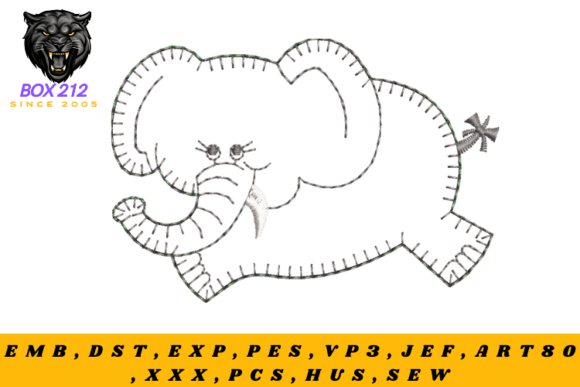
The first thing that strikes me about the Elephant Digital Embroidery Design is its balance between boldness and elegance. It does not feel cartoonish or overly playful, which makes it suitable for premium branding. Instead, it carries a rustic yet sophisticated vibe. The intricate patterns within the elephant’s silhouette suggest a handmade quality that resonates with customers looking for authenticity.
For a creative studio, florist, or high-end bakery, this visual personality is crucial. It signals that the business values detail and craftsmanship. When you place this design on a product, it does not just sit there; it communicates a story. This is essential for building a strong brand identity. Whether you are aiming for a modern aesthetic or a classic look, this design adapts well because of its detailed nature, provided it is scaled correctly.
Real-World Applications for Small Business Merch
Where does this design truly shine? In my experience, the Elephant Digital Embroidery Design is versatile enough for various small business merch items. Here is how I envision it performing in real scenarios:
- Embroidered Patches: This is perhaps the strongest use case. A detailed elephant works beautifully as a standalone patch. You can sew these onto denim jackets, canvas bags, or even use them as hang tags for handmade products. The intricate patterns allow for rich thread color variation, making each patch a unique piece of art.
- Tote Bag Design: Canvas tote bags are a staple for boutiques and cafes. Placing this elephant design on the front creates an instant statement piece. The sturdy fabric of a tote bag supports the stitch density required for such detail, ensuring the design remains crisp and durable.
- Apron Embroidery: For bakeries, florists, or craft studios, branded aprons are a walking advertisement. This design adds a touch of professionalism and charm. However, placement is key. I recommend positioning it on the chest pocket or the lower corner to avoid high-wear areas.
- Cap Embroidery: While possible, this requires caution. The curved surface of a cap can distort intricate details. If you choose this route, simplify the color palette and ensure the hoop size accommodates the design without crowding the seams.
Using this design for custom apparel like staff uniforms can also enhance team cohesion. It moves away from generic corporate logos and adds a layer of artistic flair that customers appreciate. It turns a standard work shirt into a conversation starter.
Navigating Technical Challenges
While the Elephant Digital Embroidery Design is stunning, it is not without its technical demands. As a designer, I must warn you about specific scenarios where this file might struggle if not handled correctly.
Stitch density is a major factor. Intricate patterns often mean higher density. On lightweight fabrics, this can cause puckering. Always use a proper stabilizer—I recommend a cut-away stabilizer for garments that will be washed frequently. For patches, a heavy-duty tear-away or water-soluble topping might be necessary to keep the stitches clean.
Additionally, consider the fabric texture. Highly textured materials like thick wool or terry cloth can swallow fine details. If you are embroidering on such surfaces, test a sample first. You may need to adjust the pull compensation or simplify the design slightly in your software if you have the editing skills. Dark uniforms also pose a challenge; ensure your thread colors have enough contrast against the background fabric to maintain visibility.
Do not attempt to shrink this design too much. If you try to fit it into a tiny space, the intricate patterns will merge, losing their definition. Always check the recommended hoop size before starting. If the design is large, ensure your machine can handle the dimensions without hitting the hoops or clamps.
Impact on Brand Identity and Customer Trust
Why go through the trouble of high-quality embroidery? Because it builds trust. A well-executed finished product signals professionalism. When a customer receives a tote bag or a shirt with a crisp, detailed elephant design, they perceive higher value. This perception directly influences buyer engagement and loyalty.
For Etsy sellers and handmade brands, consistency is vital. Using the Elephant Digital Embroidery Design across various design assets—from packaging accents to thank-you cards (via printable mockups)—creates a cohesive visual language. It helps customers recognize your brand instantly. This recognition is a powerful tool in a crowded marketplace.
Practical Designer Notes for Production
Before you run this design on your production machine, follow these steps to ensure success:
- Test in Black and White: Before committing to expensive threads, stitch out the design in black thread on white fabric. This helps you see the structure and spacing without the distraction of color.
- Check Thread Color Contrast: Choose threads that complement each other. Since the design features intricate patterns, subtle shifts in shade can create depth, while high contrast can make it pop. Decide which effect suits your brand better.
- Create a Printable Mockup: Use digital tools to place the design on images of your actual products. Show this to clients or use it for pre-launch marketing. It helps set expectations and reduces revision requests.
- Confirm Commercial Licensing: This is non-negotiable. Ensure that the license for this digital embroidery file allows for commercial use. Some designers restrict the number of physical items you can sell. Read the terms carefully before investing time in production.
- Inspect Spacing and Density: Zoom in on the file in your embroidery software. Look for any areas where stitches are too close together, which could cause thread breaks, or too far apart, which might show the fabric underneath.
In conclusion, the Elephant Digital Embroidery Design is a robust asset for any business looking to add a touch of wild elegance to their merchandise. It requires respect for the technical aspects of commercial embroidery, but the payoff in brand elevation is significant. By testing thoroughly and applying it strategically, you can turn this digital file into a tangible symbol of your business’s quality and creativity.