Reviewing The Cochlea Embroidery Design for Merch
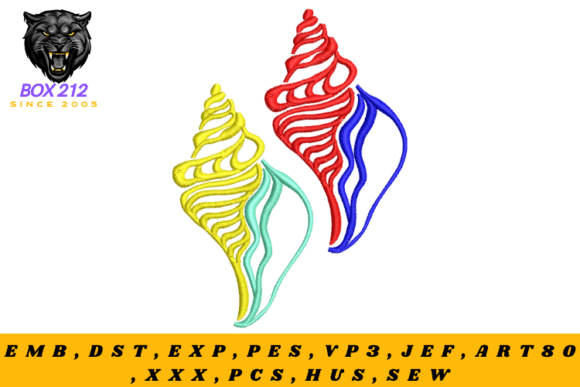
As an embroidery designer who has spent years digitizing patterns for small businesses, I approach every new machine embroidery design with a critical eye. It is not just about aesthetics; it is about functionality, durability, and brand alignment. Recently, I had the opportunity to review The Cochlea Embroidery Design, a pattern that delves into the intricacies of human hearing by showcasing the spiral-shaped structure responsible for sound perception. While the product category listed is Fish, which seems like a metadata error given the anatomical subject, the design itself stands on its own merits as a piece of scientific art suitable for commercial embroidery projects.
First Impressions: Precision Meets Artistry
Upon loading the digital embroidery file into my software, the first thing that struck me was the complexity of the spiral structure. This is not a simple, blocky logo. It is a detailed representation of auditory anatomy. For a small business owner, this level of detail signals sophistication. The design feels professional, educational, and slightly avant-garde. It does not scream "rustic" or "playful" in the traditional sense; rather, it exudes a modern, clinical elegance that could work beautifully for medical practices, audiology clinics, science museums, or even high-end boutique brands that value intellectual curiosity.
The visual personality of The Cochlea Embroidery Design is bold yet intricate. It commands attention without being loud. For brands looking to establish a brand identity rooted in precision, care, and technical expertise, this design serves as a powerful visual anchor. It suggests that the business behind the merchandise pays attention to the small details, much like the delicate structures of the inner ear.
Real-World Applications for Small Business Merch
When evaluating a design for small business merch, I always ask: where does it live? The Cochlea Embroidery Design is versatile, but it thrives in specific contexts. Here is how I envision it performing in real-world scenarios:
- Embroidered Patches: This is perhaps the strongest use case. A well-digitized patch allows for higher stitch density and finer detail than direct-to-garment embroidery. Imagine these patches on denim jackets for staff at a science center or as collectible items for customers.
- Staff Uniforms and Aprons: For a café or boutique with a scientific or health-focused theme, placing this design on the chest pocket of an apron embroidery project adds a unique touch. It acts as a conversation starter, distinguishing the staff from generic service workers.
- Tote Bag Design: Canvas tote bags provide a stable, flat surface ideal for detailed stitching. Using The Cochlea Embroidery Design here turns a simple bag into a statement piece, appealing to students, educators, and healthcare professionals.
- Cap Embroidery: This requires caution. The curved surface of a cap can distort intricate spirals. If used on a cap, it should be simplified or placed on the side panel rather than the front center to maintain the integrity of the shape.
For Etsy sellers and handmade brands, this design offers a niche appeal. It is not a generic flower or monogram. It appeals to a specific demographic interested in anatomy, medicine, and biology. This specificity can drive higher engagement and buyer loyalty among those who feel seen by the product.
Navigating Technical Challenges
While the aesthetic potential is high, the technical execution of The Cochlea Embroidery Design requires careful planning. The description notes that it is a "detailed pattern," which implies a higher stitch density. In embroidery, density is a double-edged sword. It creates rich coverage but can cause fabric puckering if not managed correctly.
Here are the areas where you must exercise caution:
- Fabric Texture: Avoid using this design on loosely woven fabrics or textured materials like terry cloth. The fine lines of the cochlea spiral may get lost or pull unevenly. Stick to tight-weave cotton, polyester blends, or twill.
- Small Patch Sizes: If you intend to shrink this design for a tiny label or small patch, test it rigorously. Intricate outlines can merge together if the scale is too small, turning a recognizable spiral into a muddy blob.
- Dark Uniforms: Ensure high contrast in your thread colors. If stitching on black navy uniforms, use bright whites, silvers, or neon accents to ensure the spiral structure remains visible from a distance.
- Washing Durability: Items that undergo frequent industrial washing, such as hospital scrubs or restaurant aprons, need robust stabilization. The detailed nature of the design means more thread ends and potential snag points if not properly secured.
Enhancing Brand Identity and Trust
In the world of custom apparel and branded goods, consistency is key. The Cochlea Embroidery Design can significantly enhance brand identity by providing a unique visual asset that competitors likely do not have. When customers see a well-executed, intricate embroidery on a product, it subconsciously signals quality. It suggests that the business invests in premium materials and skilled craftsmanship.
This perception of quality builds trust. For a handmade product seller, offering merchandise with such a distinctive design elevates the perceived value of the entire brand. It moves the item from a simple commodity to a curated finished product that tells a story. Whether used as a customer gift, event merch, or part of a product line, it reinforces the brand’s commitment to detail and excellence.
Practical Designer Notes for Production
Before you commit to a large production run, follow these practical steps to ensure success with The Cochlea Embroidery Design:
- Test in Black and White First: Remove color distractions to evaluate the structural integrity of the digitizing. Does the spiral hold its shape? Are there any jumping threads or unnecessary trims?
- Check Hoop Size Compatibility: Confirm that the design fits within your standard hoop size without requiring excessive re-hooping, which can lead to misalignment.
- Use Proper Stabilizer: Given the detailed nature of the pattern, use a cut-away stabilizer for stretchy fabrics and a tear-away for stable wovens. This prevents distortion during and after stitching.
- Create a Printable Mockup: Before stitching, create a printable mockup to show clients or stakeholders. This helps manage expectations regarding size and placement.
- Verify Commercial Licensing: Always confirm the license terms of the embroidery file. Ensure you have the rights to use the design for commercial purposes, especially if you are selling the finished items.
- Review Thread Color Contrast: Select thread colors that highlight the depth of the spiral. Gradients or metallic threads can add a premium feel, mimicking the biological complexity of the cochlea.
In conclusion, The Cochlea Embroidery Design is a compelling choice for businesses looking to differentiate their design assets with something intellectually stimulating and visually striking. While it requires careful handling due to its detail, the payoff in terms of brand perception and customer engagement can be substantial. By respecting the technical requirements of the design and aligning it with the right products, small business owners can create merchandise that is not only functional but also memorable.