Review: Colorful Palette Embroidery Design for Craft Fairs
As an embroidery designer who has spent countless weekends behind a booth table, I know that the difference between a browser and a buyer often comes down to visual impact. When I first loaded the Colorful Palette Embroidery Design into my digitizing software, my immediate reaction was one of relief. In a market saturated with minimalistic line art and rustic farmhouse quotes, this design offers a bold, playful energy that demands attention. It is not subtle, and that is exactly why it works.
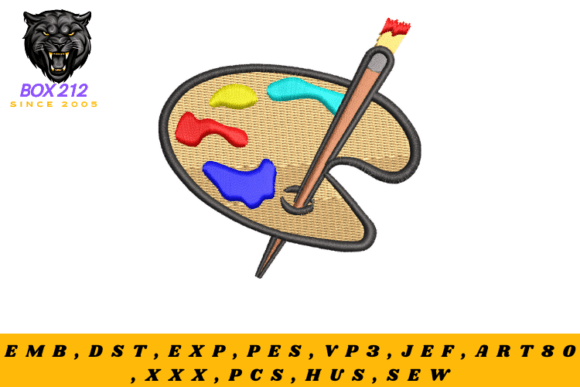
This machine embroidery design features a classic artist’s palette filled with a rainbow of hues. For those of us creating handmade products for local markets or online stores, the psychological appeal here is strong. It signals creativity, joy, and artistic flair. While the product category lists South America, the aesthetic is universally appealing, though it pairs exceptionally well with vibrant, textured fabrics often found in global textile traditions. Let’s break down how this design performs in the real world of production and sales.
First Impressions and Visual Appeal
The primary strength of the Colorful Palette Embroidery Design is its clarity. At a glance, even from three feet away, a customer understands what they are looking at. There is no ambiguity. The use of distinct thread colors creates a high-contrast image that pops against both light and dark backgrounds. For a craft fair product, this instant recognizability is crucial. You do not have time to explain your design; the stitching must speak for itself.
The mood is undeniably cheerful and modern. It avoids the stiffness of traditional corporate logos, leaning instead into a hand-drawn, artistic vibe. This makes it perfect for targeting creative professionals, art teachers, students, and hobbyists who want to display their passion proudly. When evaluating the thread colors, I noticed the saturation is high, which helps the design stand out in photos and under bright convention hall lighting.
Best Product Applications for Maximum Sales
Not every design works on every item. Through trial and error, I have identified where this specific embroidery file shines. Here is how I would deploy it in a small shop product lineup:
- Tote Bag Design: This is the number one seller. A canvas tote with the palette centered or placed on the lower corner becomes an instant statement piece. The sturdy fabric supports the stitch density well.
- Apron Embroidery: Targeting art teachers and potters, an apron with this design adds professional yet playful branding. Ensure the placement is high enough to avoid interference with pockets.
- Tea Towel Embroidery: Use this as an accent on the corner of a linen towel. It transforms a basic kitchen item into a giftable finished product.
- Embroidered Patch: If you offer patches, this design is ideal. It allows customers to add the art to their own jackets or bags, expanding your reach without increasing your inventory risk.
- Caps and Hats: Proceed with caution. The curved surface of a cap can distort wide designs. If you attempt this, ensure the width fits within a standard 4-inch hoop constraint and use a stiff stabilizer.
For Etsy sellers, this design also translates beautifully into digital mockups. Creating a printable mockup or a digital listing that shows the design on various items can help customers visualize the end result, boosting conversion rates for your commercial embroidery offerings.
Production Practicalities and Technical Notes
Before you run a batch of fifty units, there are technical considerations to address. As a designer, I always advise checking the stitch density of any new digital embroidery file. This design appears to have moderate density, but the color changes are frequent. Frequent jumps and trims can increase production time. Calculate your cost per unit carefully, factoring in the extra machine runtime required for the multiple thread colors.
Fabric texture plays a significant role here. On smooth cotton or canvas, the details will remain crisp. However, on textured towels or fuzzy fleece, the smaller details of the paint blobs might get lost. I recommend testing on scrap fabric that matches your final product material. If you are using thick fabric, ensure your needle size is appropriate to prevent skipped stitches.
Another critical factor is the hoop size. Verify that the design dimensions fit comfortably within your standard hoops without needing excessive re-hooping for batch production. Efficiency is key when preparing for a busy market weekend. Also, always use the right stabilizer. A cut-away stabilizer is often best for garments that will be washed frequently, ensuring the design does not pucker over time.
Marketing and Brand Consistency
Using the Colorful Palette Embroidery Design can strengthen your brand identity if you position yourself as a maker for creatives. It suggests that your design assets are curated with an eye for artistry. When setting up your booth, group these items together. A display featuring tote bags, pouches, and aprons all sharing this vibrant motif creates a cohesive visual block that draws the eye.
For commercial embroidery licensing, always read the terms provided with the file. Since this is a digital embroidery file intended for physical goods, ensure you have the rights to sell the finished product. Most designers allow this, but restrictions on mass production quantities may apply. Never assume; always verify before investing in materials.
Final Verdict for Makers
The Colorful Palette Embroidery Design is a strong contender for any maker looking to inject personality into their inventory. It is versatile, visually striking, and emotionally resonant with a wide audience. While it requires careful attention to fabric choice and stabilizer selection to maintain clarity, the payoff in customer engagement is worth the effort.
My advice is to start small. Stitch one sample on a tote bag and one on a towel. Compare them side by side. Check the thread contrast against the fabric color. Once you are satisfied with the quality, scale up. This design has the potential to become a staple in your Etsy seller toolkit or a headline item at your next craft fair. Embrace the color, respect the technical requirements, and watch your handmade items fly off the table.