Review: Delicate Insect Embroidery Design for Merch
As an embroidery designer who has spent years digitizing files and consulting with small business owners, I know that not every machine embroidery design is created equal. When a client approaches me with a concept for branded merchandise, the first thing I look for is versatility. Does the artwork hold up on a curved cap? Does it get lost on a textured tote bag? Recently, I had the opportunity to evaluate the Delicate Insect Embroidery Design, a piece from the Bugs category that promises to capture the charm of nature’s smallest creatures. After putting this file through its paces in a simulated production environment, I have some critical insights for shop owners, Etsy sellers, and apparel decorators considering this asset for their next commercial project.
First Impressions: Whimsical Yet Professional
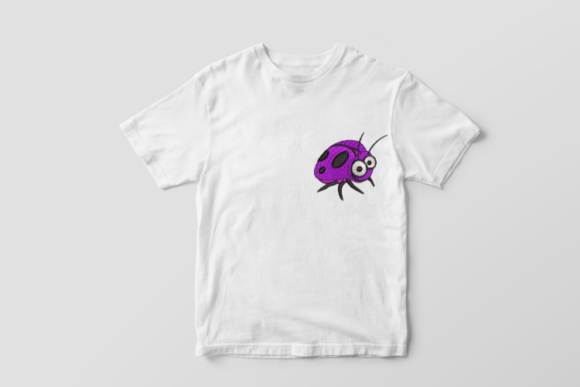
The initial visual impact of the Delicate Insect Embroidery Design is one of refined playfulness. The description notes that it captures the charm of a tiny insect, perfect for adding a whimsical touch. In the world of branding, "whimsical" can sometimes risk looking amateurish if not executed with precision. However, this design strikes a balance between decorative flair and professional cleanliness. It feels handmade but polished, making it an excellent candidate for boutique brands, florists, bakeries, or creative studios that want to convey warmth without sacrificing quality.
For a small business owner, the aesthetic of your logo or mascot is crucial. This design does not scream for attention with bold, aggressive lines; instead, it invites closer inspection. This subtlety is a strength for high-end custom apparel where the goal is to add value rather than just slap a logo on a chest. It suggests a brand that cares about details, which directly influences customer trust and perceived product value.
Real-World Applications for Small Business Merch
When evaluating a digital embroidery file for commercial use, we must look beyond the screen and imagine the finished product. Here is how the Delicate Insect Embroidery Design performs across various common merchandise items:
- Embroidered Patches: This is arguably the strongest application for this design. A detailed insect motif works beautifully as an iron-on or sew-on patch. It allows customers to buy a standalone accessory that enhances jackets, backpacks, or hats. For Etsy sellers, offering these as add-ons to other products can significantly increase average order value.
- Apron Embroidery: For cafes, florists, and bakeries, staff uniforms are walking billboards. Placing this delicate insect on the corner of an apron adds a signature touch that feels personal and artisanal. It reinforces the brand identity of a business that values natural beauty and craftsmanship.
- Tote Bag Design: Canvas bags have a distinct texture. The intricate details of this design need to be checked against the weave of the fabric. If the stitch density is appropriate, it creates a lovely contrast against the rougher textile, appealing to eco-conscious shoppers who frequent handmade markets.
- Cap Embroidery: Using this on headwear requires caution. The front panel of a cap is curved and limited in space. If the design is too wide, it will distort. However, if scaled correctly, it makes for a sophisticated sleeve detail or a small chest accent on work shirts, avoiding the bulkiness that often plagues cap designs.
Technical Considerations and Production Challenges
While the aesthetic appeal is strong, the technical execution determines whether a design is profitable or a headache. As a designer, I always advise checking specific technical specs before running a full batch. Since the product description emphasizes "intricately detailed," we must be mindful of stitch density. High detail often means more stitches, which can lead to puckering if the wrong stabilizer is used or if the fabric is too lightweight.
Here are the critical areas where you should exercise caution:
- Small Patch Sizes: If you shrink this design too much for a tiny label or tag, the fine lines may merge. Always test the minimum viable size on your specific machine to ensure the details remain distinct.
- Thread Color Contrast: Delicate designs rely on subtle shifts in tone. On dark uniforms, such as navy or black chef coats, you must ensure there is enough contrast. A low-contrast thread choice might render the insect invisible from a distance, defeating the purpose of the branding.
- Fabric Texture: Highly textured fabrics like terry cloth or heavy canvas can swallow up fine details. Before committing to a large run of small business merch, stitch out a sample on the exact material you intend to use.
- Wash Durability: Items that undergo frequent washing, such as staff uniforms or baby clothes, require robust stitching. Ensure the underlay is sufficient to anchor the detailed top stitches so they do not pull out over time.
Enhancing Brand Identity and Customer Engagement
Incorporating the Delicate Insect Embroidery Design into your product line is not just about decoration; it is a strategic move for brand identity. Customers today crave connection. A generic logo feels corporate, but a charming, nature-inspired emblem feels human. This design helps bridge that gap. It signals that your brand is approachable, creative, and attentive to quality.
For handmade brands, this design serves as a powerful visual consistency tool. Whether it appears on a packaging accent, a thank-you card insert, or the product itself, it creates a cohesive narrative. When customers see the same delicate insect on their tote bag and their purchase receipt, it reinforces recognition. This visual consistency builds loyalty and encourages social sharing, as customers are more likely to post photos of unique, beautifully embroidered items.
Practical Designer Notes for Implementation
Before you purchase or download this embroidery file for your next commercial project, follow this checklist to ensure success:
- Test in Black and White: Remove color from your preview to check if the shape holds up without shading. If the form is unclear in monochrome, it may lack definition in real life.
- Verify Hoop Size: Confirm that the design fits within your standard hoop sizes without requiring excessive re-hooping, which slows down production.
- Create a Printable Mockup: Use digital tools to place the design on photos of your actual products. This helps in client approval processes and marketing materials before you stitch a single thread.
- Check Commercial Licensing: Always read the license terms. Ensure that the file allows for unlimited physical sales if you plan to use it on mass-produced commercial embroidery items.
- Compare Design Assets: Place this insect design beside your existing logos and fonts. Does it complement your current visual language, or does it clash? Consistency is key to a professional presentation.
In conclusion, the Delicate Insect Embroidery Design is a versatile and charming asset for small businesses looking to add a touch of nature-inspired elegance to their merchandise. While it requires careful attention to stitch density and fabric choice, its potential to enhance brand identity and engage customers is significant. By treating it as a strategic branding element rather than just a decorative motif, you can create memorable, high-value products that stand out in a crowded market.