Review: Black History Month Fist Embroidery Design
As a designer who has spent countless hours staring at digitized files and watching needles dance across fabric, I approach every new machine embroidery design with a mix of curiosity and caution. We have all been there: downloading a file that looks stunning on the screen but turns into a puckered mess or an illegible blob once it hits the hoop. Recently, I took a close look at the Black History Month Fist Embroidery to see if it holds up under the scrutiny of real-world production. This is not just about aesthetics; it is about functionality, durability, and the story the finished product tells.
First Impressions and Visual Impact
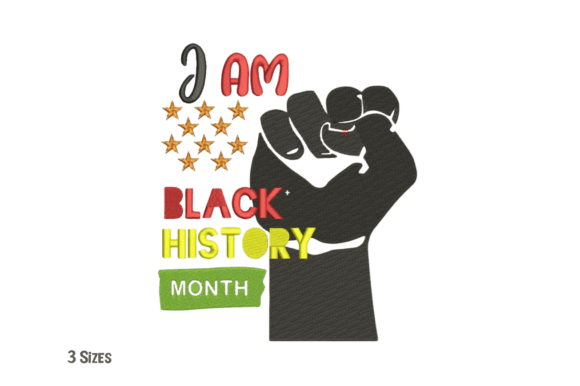
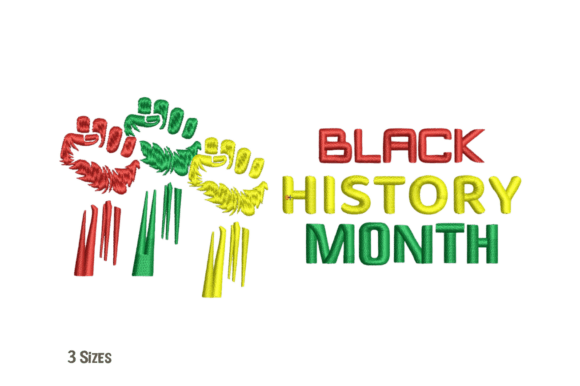
The immediate mood this design creates is one of bold solidarity. Featuring three raised fists in red, yellow, and green, the imagery is instantly recognizable and deeply symbolic of unity and strength. What struck me first was the clarity of the layout. The bold "Black History Month" text complements the graphic elements without competing for attention. In the world of Inspirational Embroidery, balance is everything. If the text is too small, it gets lost in the stitch texture; if it is too large, it overwhelms the symbol. Here, the proportion feels intentional.
The color palette is vibrant, but as any experienced Etsy seller knows, screen colors do not always translate perfectly to thread. The red, yellow, and green combination requires careful thread selection to ensure they pop against various fabric backgrounds. I immediately thought about how this would look on a dark heather grey sweatshirt versus a crisp white cotton tote. The contrast potential is high, which is a major win for visual appeal.
Real-World Application: The Tote Bag Test
To truly evaluate this embroidery file, I mentally walked through a recent client request for a custom tote bag design. The client wanted something meaningful for a community event, durable enough for daily use, and visually striking. This design fits that brief perfectly. When stitched on a heavy canvas tote, the density of the fill stitches in the fists provides a nice tactile weight, while the text remains legible from a distance.
However, placement is critical. On a curved surface like a cap or a structured bag, the width of the design needs to be considered. If you are scaling it down for a baby embroidery project, such as a onesie or a small bib, you must check the smallest details. Tiny lettering can easily become unreadable if the stitch count is too high for the scale. For a personalized gift like a baby item, I would recommend testing the design at 50% size on scrap fabric first to ensure the text does not merge into a solid block of thread.
Fabric and Stabilizer Considerations
One of the most important aspects of using this design is understanding how it interacts with different materials. The fists likely utilize a combination of satin stitch for outlines and fill stitch for the interior colors. This means the stitch density will be moderate to high. On thin or stretchy fabrics, such as a lightweight t-shirt or a jersey knit, this density can cause pulling or distortion if not properly supported.
I strongly advise using a cut-away stabilizer for garments that will be washed frequently, like sweatshirt embroidery or custom apparel. For woven fabrics like aprons or pillow covers, a tear-away might suffice, but always test first. If you are creating an embroidered patch to be ironed on later, the stability of the backing material becomes even more crucial to prevent fraying around the edges of the fists.
Commercial Viability for Small Shops
For craft business owners and small shop product creators, this design offers versatility. It is not limited to February; it can be part of a broader collection celebrating heritage and resilience year-round. Whether you are selling holiday embroidery items for Black History Month or adding it to a line of commercial embroidery products for schools and organizations, the design’s professional finish adds value.
Buyers engage with products that tell a story. A well-stitched fist symbol on a high-quality hoodie signals attention to detail. It builds customer trust because it shows that the maker cares about the integrity of the message. When creating printable mockup images for your online store, ensure you photograph the actual stitched product rather than relying solely on digital previews. The texture of the thread adds a layer of authenticity that digital design assets cannot fully replicate.
Practical Designer Notes
Before you load this into your machine for a paid order, keep these practical tips in mind:
- Test on Scrap Fabric: Always run a test stitch-out on the same type of fabric you plan to use for the final product. This helps you identify any tension issues or registration errors.
- Check Thread Contrast: Ensure your red, yellow, and green threads have enough contrast against the fabric. On dark fabrics, consider using a lighter underlay or adjusting the thread shades slightly for better visibility.
- Review Stitch Density: If the design feels too stiff after stitching, you may need to adjust your machine’s tension or use a lighter weight stabilizer. Conversely, if it looks sparse, check if the digitizing allows for increased density.
- Confirm Hoop Size: Make sure the design fits comfortably within your hoop with enough margin for clamping. Do not crowd the edges.
- Licensing Check: Since this is a multi-format design, confirm the license terms before selling finished items. Most designers allow commercial use of finished physical products, but restrictions may apply to reselling the digital file itself.
Final Verdict on the Finished Product
The Black History Month Fist Embroidery is a strong contender for any designer’s library. It balances symbolic power with technical feasibility. While it requires thoughtful placement and proper stabilization, especially on stretchy or thin materials, the result is a professional, impactful piece of art. Whether you are creating a handmade product for a local craft fair or preparing a bulk order for a boutique, this design delivers on its promise of unity and strength. Just remember to respect the technical limits of your machine and fabric, and the final result will speak for itself.