Duck with Umbrella Design: A Pro Review
As an embroidery designer who has spent years digitizing files for small businesses and boutique brands, I approach every new machine embroidery design with a critical eye. It is not just about whether a motif looks cute on a screen; it is about how that design translates to fabric, withstands washing, and elevates a brand’s identity. Recently, I reviewed the Duck with Umbrella Embroidery Design, a piece categorized under Birds that promises to brighten up rainy days with its charming aesthetic. For shop owners, Etsy sellers, and apparel decorators, understanding the practical application of this file is crucial before adding it to your commercial library.
First Impressions and Visual Personality
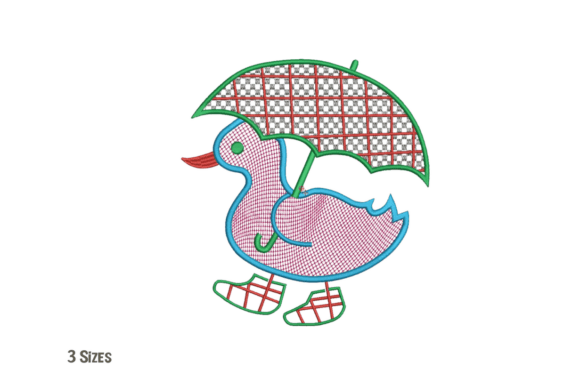
The immediate visual impact of the Duck with Umbrella Embroidery Design is one of playful warmth. The description highlights a cute duck clad in vibrant patterns holding a stylish checkered umbrella. In the world of branding, this signals a friendly, approachable, and handmade vibe. It does not scream corporate rigidity; instead, it invites connection. For businesses like local bakeries, florists, pet brands, or creative studios, this visual personality aligns perfectly with a customer base that values charm and authenticity.
However, from a technical standpoint, "vibrant patterns" and "checkered" details raise immediate questions about stitch density and complexity. A professional review must look past the artwork and consider the needlework. Does the checkered pattern on the umbrella require excessive satin stitches that might bulk up the fabric? Are the vibrant patterns on the duck’s body achievable without creating a messy, thread-heavy finish? These are the questions that determine if a design is merely decorative or truly functional for business use.
Real-World Business Applications
When evaluating a digital embroidery file for commercial embroidery projects, versatility is key. The Duck with Umbrella Embroidery Design offers several strong avenues for small business merch. Here is how it performs across different product categories:
- Embroidered Patches: This is arguably the strongest use case. A patch allows for higher stitch density and more detail than direct-to-garment embroidery. The duck can serve as a standalone badge for tote bags, jackets, or hats, creating a collectible item for customers.
- Apron Embroidery: For cafes and boutiques, staff uniforms are walking billboards. Placing this design on the chest pocket of an apron adds a touch of whimsy that enhances the customer experience without overwhelming the professional look.
- Tote Bag Design: Canvas totes are a staple for handmade product lines. The contrast of the vibrant duck against natural canvas creates a high-visibility logo accent that appeals to eco-conscious shoppers.
- Cap Embroidery: While possible, this requires caution. The curved surface of a cap front can distort detailed patterns. If used here, the design should be simplified or scaled down to ensure the umbrella’s checkered pattern remains legible.
For Etsy branding and craft business assets, this design can also be used on product packaging accents or as a thank-you card embellishment. It reinforces brand identity by associating the business with joy and creativity.
Technical Considerations and Fabric Challenges
While the aesthetic is appealing, the technical execution requires careful planning. The mention of "vibrant patterns" suggests multiple thread colors. In embroidery, too many color changes can increase production time and the risk of thread breaks. Before running a full batch of custom apparel, you must test the Duck with Umbrella Embroidery Design on the specific fabric texture you intend to use.
Stitch density is a major concern with checkered patterns. If the umbrella’s checks are too small, they may merge into a solid block of thread, losing the intended style. Conversely, if the density is too low, the fabric underneath may show through, ruining the vibrancy. I recommend testing the design on both woven and knit fabrics to see how the stabilizer interacts with the stitch pull.
Dark uniforms present another challenge. If the duck is primarily light-colored, it will pop beautifully on navy or black aprons. However, if the design includes dark outlines, ensure there is sufficient contrast. A printable mockup can help visualize this, but nothing replaces a physical test stitch. Always check if the design works at small patch sizes. If the details become indistinguishable below three inches, you may need to request a simplified version from the digitizer or avoid using it on small items like cuff links or tiny labels.
Impact on Brand Identity and Customer Trust
Consistency in design assets builds trust. When a customer sees the same high-quality Duck with Umbrella Embroidery Design on your website, your packaging, and your staff uniforms, it reinforces professionalism. It shows attention to detail. For handmade brands, this level of cohesion signals that the creator cares about the finished product, not just the sale.
Moreover, playful designs like this can increase buyer engagement. Customers are more likely to share photos of unique, charming merchandise on social media. A well-executed embroidered patch on a tote bag becomes a conversation starter, extending your brand’s reach organically. However, this only works if the embroidery is clean. Loose threads, puckering, or misaligned patterns can damage brand reputation faster than no branding at all.
Practical Designer Notes for Production
Before integrating this embroidery file into your production workflow, follow these essential steps:
- Test in Black and White: Convert the design to grayscale in your software to check for contrast issues. If the duck and umbrella blend together without color, the design lacks structural clarity.
- Verify Hoop Size: Confirm the required hoop size matches your machine’s capabilities. Do not assume a standard 4x4 inch hoop will fit if the design is larger.
- Check Commercial Licensing: Never assume a digital embroidery file includes commercial rights. Read the license terms carefully to ensure you can sell items made with this design.
- Use Proper Stabilizer: For stretchy fabrics like t-shirts, use a cut-away stabilizer to prevent distortion. For woven fabrics like canvas totes, a tear-away may suffice, but test first.
- Create a Mockup: Use design assets to create a printable mockup for client approval before stitching. This saves time and material costs.
- Inspect Spacing: Ensure there is adequate spacing between the duck and the umbrella to prevent thread bridging, which can look messy and catch on things during wear.
In conclusion, the Duck with Umbrella Embroidery Design is a promising asset for small business owners looking to add personality to their merchandise. It fits well within the Birds category for those seeking nature-inspired yet whimsical motifs. However, its success depends entirely on technical execution. By respecting the limitations of stitch density, fabric texture, and hoop size, you can transform this playful image into a premium branded element. Whether used for apron embroidery, tote bag design, or embroidered patches, this design has the potential to enhance your brand identity and delight your customers. Just remember to verify the specific file format and stitch count details from the provider, as these were not explicitly stated in the initial description, and always prioritize a physical test stitch before full-scale production.